The red-eyed tree frog (Agalychnis callidryas) — a jewel of Costa Rica’s rainforests — is instantly recognizable by its vibrant green body, bright red eyes, and orange toes. Active at night, these arboreal frogs perch on leaves near ponds and streams, where females lay clutch after clutch of egg masses above water. When threatened, their sudden flash of red eyes and colorful sides can startle predators long enough for the frog to leap to safety. Widely sought by nature photographers and wildlife lovers, the red-eyed tree frog embodies the lush, biodiverse spirit of Costa Rica and serves as a vivid reminder of the importance of preserving tropical habitats.
The red-eyed tree frog (Agalychnis callidryas) — a jewel of Costa Rica’s rainforests — is instantly recognizable by its vibrant green body, bright red eyes, and orange toes. Active at night, these arboreal frogs perch on leaves near ponds and streams, where females lay clutch after clutch of egg masses above water. When threatened, their sudden flash of red eyes and colorful sides can startle predators long enough for the frog to leap to safety. Widely sought by nature photographers and wildlife lovers, the red-eyed tree frog embodies the lush, biodiverse spirit of Costa Rica and serves as a vivid reminder of the importance of preserving tropical habitats.

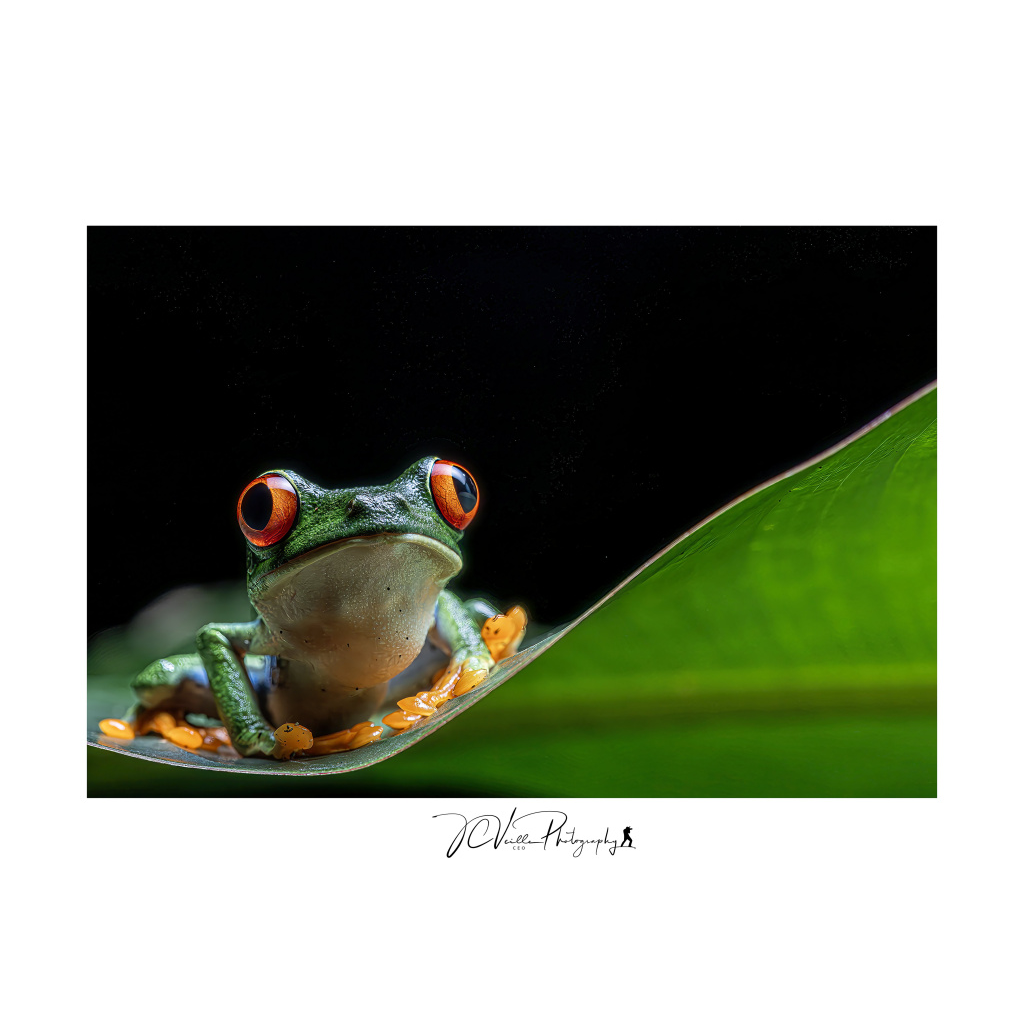 Image 1 of 31
 Image 2 of 31
 Image 3 of 31
 Image 4 of 31
 Image 5 of 31
 Image 6 of 31
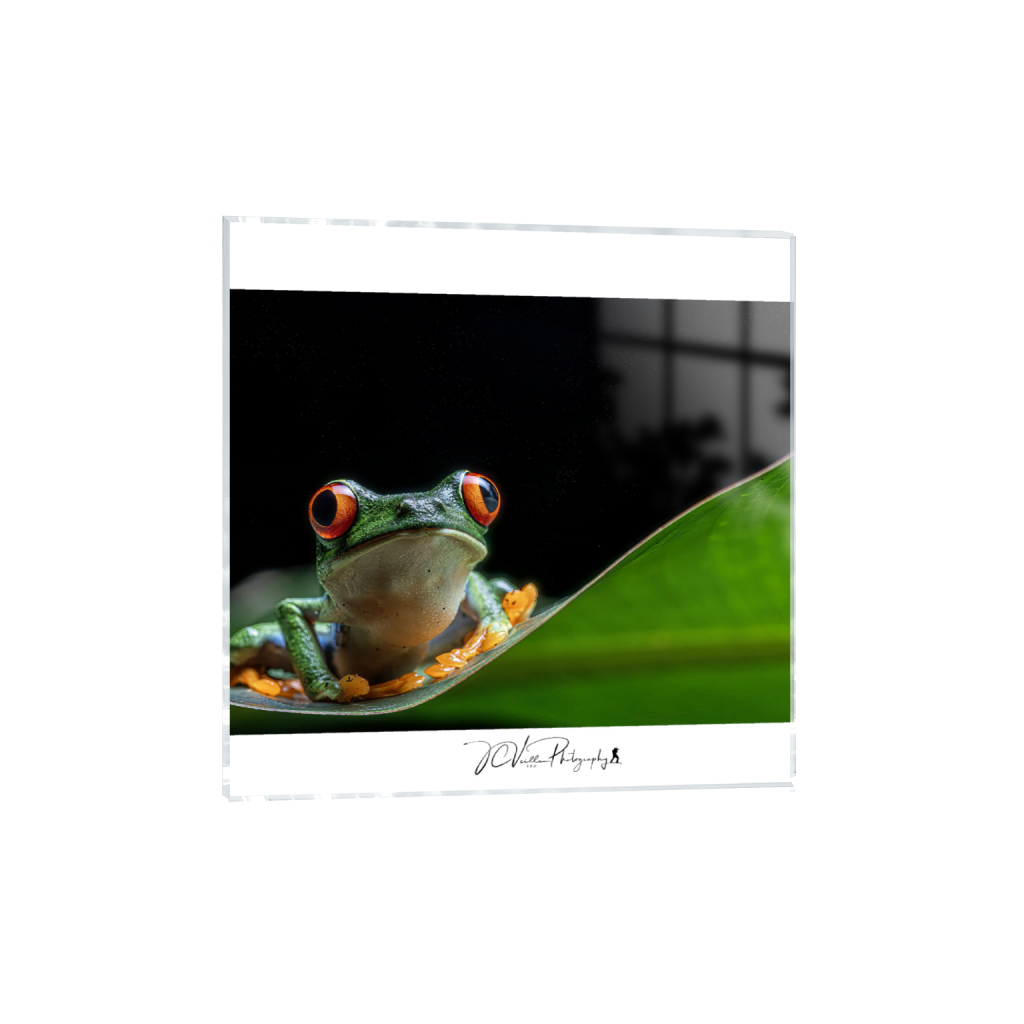 Image 7 of 31
 Image 8 of 31
 Image 9 of 31
 Image 10 of 31
 Image 11 of 31
 Image 12 of 31
 Image 13 of 31
 Image 14 of 31
 Image 15 of 31
 Image 16 of 31
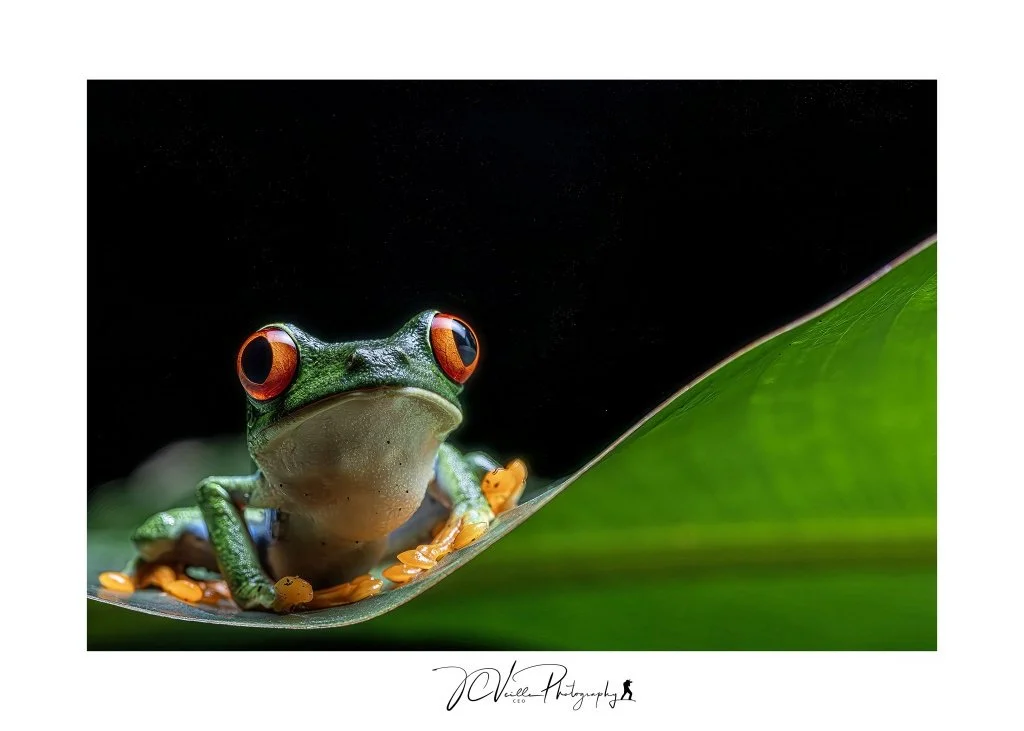 Image 17 of 31
 Image 18 of 31
 Image 19 of 31
 Image 20 of 31
 Image 21 of 31
 Image 22 of 31
 Image 23 of 31
 Image 24 of 31
 Image 25 of 31
 Image 26 of 31
 Image 27 of 31
 Image 28 of 31
 Image 29 of 31
 Image 30 of 31
 Image 31 of 31